Supplying Commercial Catering Equipment for UK Food Operations
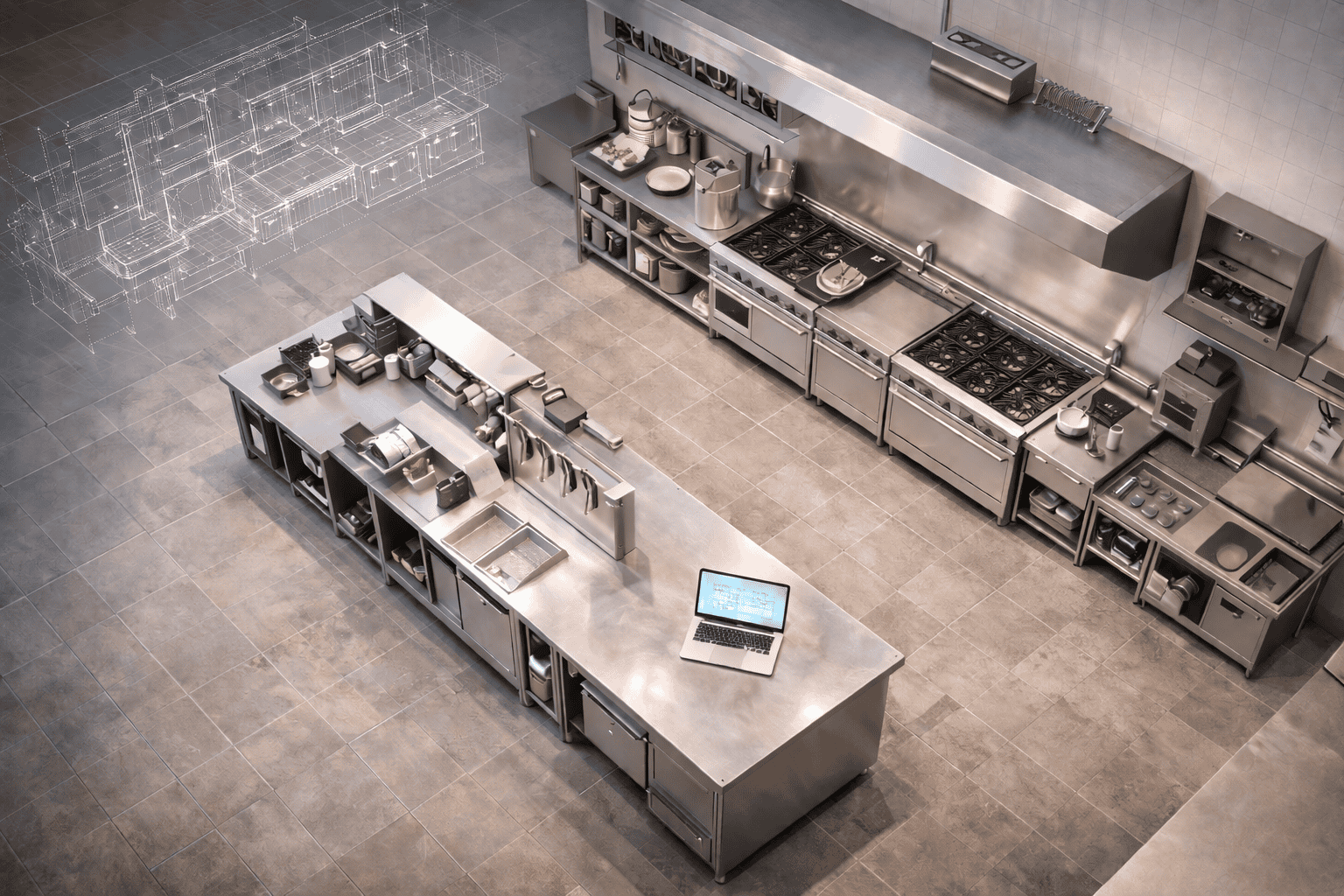
Catering equipment supply starts with understanding how equipment performs in real operating conditions. For this reason, we assess output targets, space constraints, and usage intensity rather than relying on catalogue specifications alone. Our team selects equipment that supports workflow, consistency, and control during daily service.
Equipment choices align with kitchen layout, service style, and operational pressure points. This approach helps prevent bottlenecks while improving coordination between preparation, cooking, and service areas. As a result, supplied equipment delivers reliable performance without limiting efficiency. Furthermore, we review durability, servicing access, and energy efficiency before final approval. These considerations help reduce downtime and support stable operation over the full working life of the equipment.
Demand-Based Specification
We specify equipment by analysing production volume, peak service pressure, and menu complexity instead of relying on standard packages. As a result, cooking power, capacity, and durability match real working conditions. This prevents underperformance, overengineering, and unnecessary energy use.
Layout & Services Compatibility
Equipment selection is coordinated with spatial planning and available building services from the outset. For this reason, ventilation loads, power supply, gas capacity, and drainage requirements are considered early. This reduces installation conflicts and avoids late-stage cost or performance issues.
Supplier Quality Control Audit
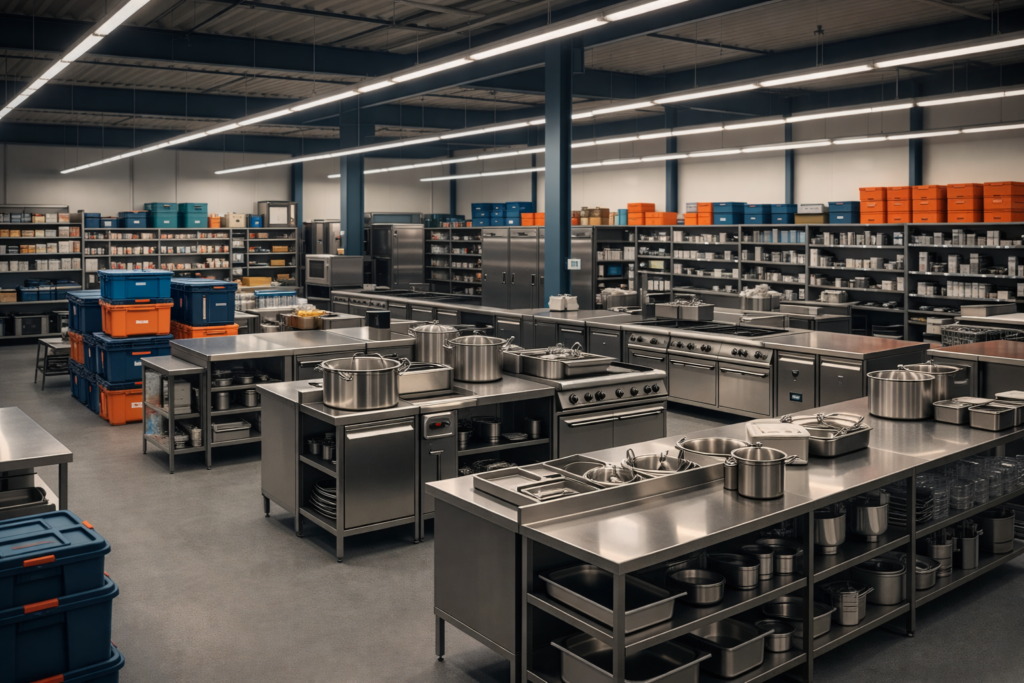
We work with trusted manufacturers and distributors that meet commercial standards. In addition, delivery schedules, lead times, and technical documentation are carefully managed. All supplied equipment is checked for accuracy and condition before installation proceeds.
Long-Term Performance & Replace
Equipment choices consider servicing access, maintenance cycles, and future replacement. As a result, selected models support consistent output and adapt to evolving operations. This approach protects investment value while maintaining operational continuity.