Key Factors That Define a Successful Catering Project
A successful catering project is defined long before the kitchen becomes operational. While equipment and aesthetics are important, long-term performance depends on how well planning, design, coordination, and execution align with real operational needs. Projects that overlook these fundamentals often face inefficiencies, compliance issues, and costly modifications after handover.
Understanding the key factors that define a successful catering project helps clients make informed decisions and achieve reliable, future-proof outcomes.
Clear Operational Brief and Project Vision
Every catering project must begin with a clear understanding of how the operation will function on a daily basis. This includes service style, expected volumes, peak demand periods, and staffing models.
A strong project brief defines:
What the kitchen is expected to deliver
How flexible the operation needs to be
Which constraints exist within the site
Without this clarity, design and equipment decisions are based on assumptions rather than operational reality, increasing the risk of inefficiency once the kitchen is live.

Functional Layout and Workflow Efficiency
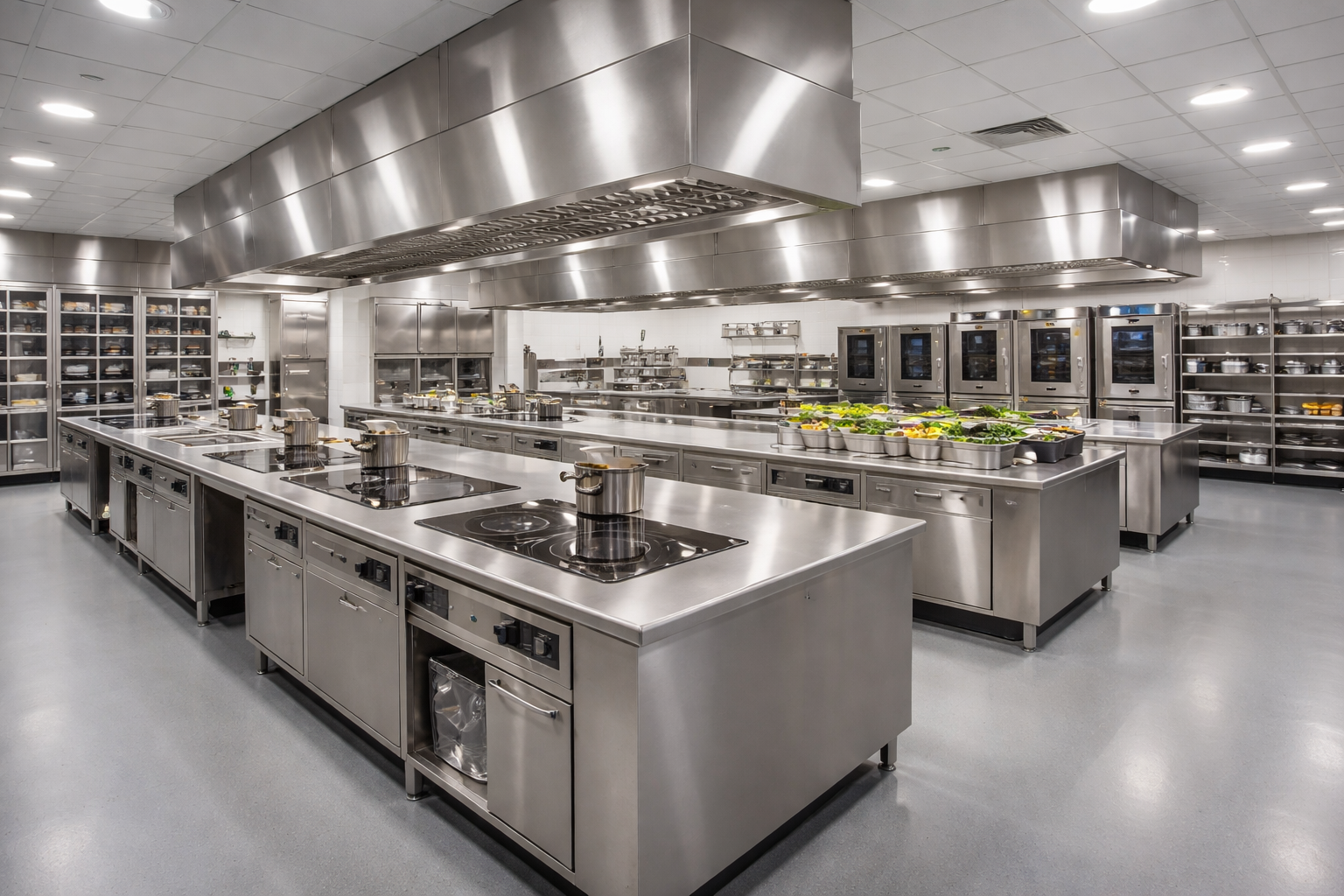
Kitchen layout is one of the most influential factors in project success. A visually appealing space that ignores workflow will struggle under pressure.
Effective layouts prioritise:
Logical zoning for preparation, cooking, and cleaning
Smooth staff circulation with minimal cross-traffic
Clear separation of clean and dirty processes
Projects delivered through experienced design teams—such as those showcased within Canmac Design Projects—demonstrate how thoughtful layout planning directly improves service speed, staff productivity, and operational safety.
Accurate Equipment Specification
Equipment must be specified based on how the kitchen will actually operate, not on theoretical capacity or brand preference. Over-specification increases capital and energy costs, while under-specification creates bottlenecks during service.
Key considerations include:
Output capacity aligned with service demand
Durability for commercial use
Energy efficiency and lifecycle cost
Compatibility with available utilities
Reliable equipment partners such as Canmac Catering Equipment support catering projects by ensuring that specifications match both operational requirements and site constraints, reducing the risk of premature failure or performance issues.
Technical Coordination and Integration
Catering equipment does not operate in isolation. Successful projects depend on precise coordination between kitchen design, mechanical services, electrical systems, ventilation, and fire safety measures.
Poor integration often results in:
Equipment that cannot operate at full capacity
Ventilation systems that underperform
Delays caused by on-site modifications
Projects where technical coordination is managed centrally achieve smoother installations and fewer disruptions during commissioning.
Quality of Installation and On-Site Execution
Even the best design and equipment selection can be undermined by poor installation. Accuracy, sequencing, and attention to detail on site are critical to delivering the intended performance.
Successful installation processes include:
Clear coordination with other trades
Correct equipment positioning and alignment
Verification of services connections
Thorough pre-handover testing
Consistent installation standards ensure that design intent is carried through to the finished kitchen without compromise.
Compliance and Regulatory Awareness
Compliance is not optional in catering projects. Hygiene, fire safety, ventilation, and workplace regulations must be addressed from the earliest design stages.
Projects that integrate compliance early benefit from:
Fewer approval delays
Reduced rework during construction
Safer working environments
Addressing compliance as part of the core design process, rather than as an afterthought, significantly improves project reliability and long-term viability.
Structured Project Management
Catering projects involve multiple stakeholders, tight programmes, and interdependent activities. Without structured project management, delays and miscommunication are almost inevitable.
Effective project management provides:
Clear accountability
Programme control
Proactive issue resolution
Transparent communication
This structure is especially critical in live environments where operational disruption must be minimised.
Conclusion
Successful catering projects are defined by much more than design aesthetics or equipment selection. Clear operational planning, functional layouts, accurate specification, technical coordination, and structured delivery all play essential roles.
By focusing on these key factors—and working with experienced partners across design, project delivery, and equipment supply—clients can achieve catering environments that are efficient, compliant, and built for long-term success.