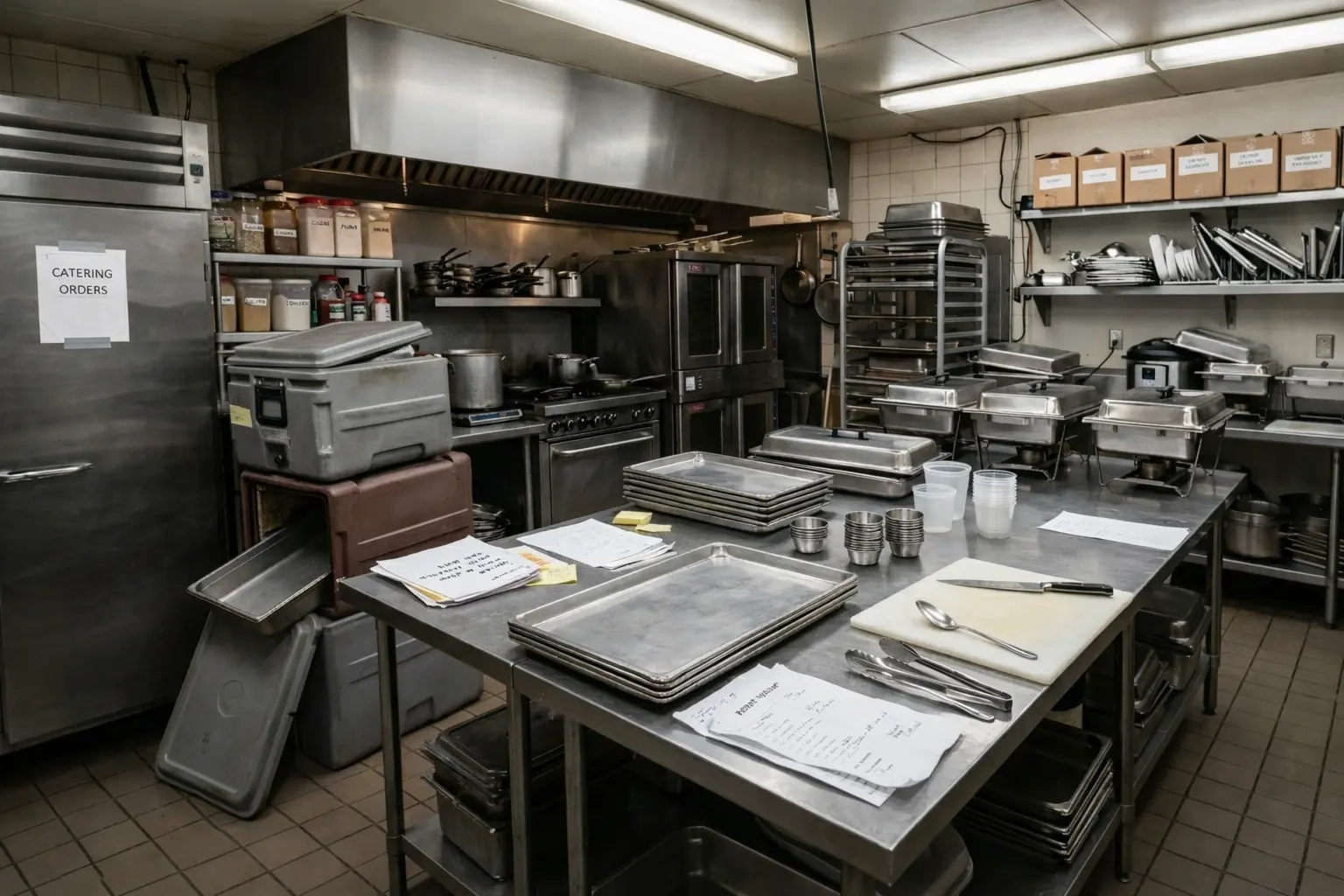
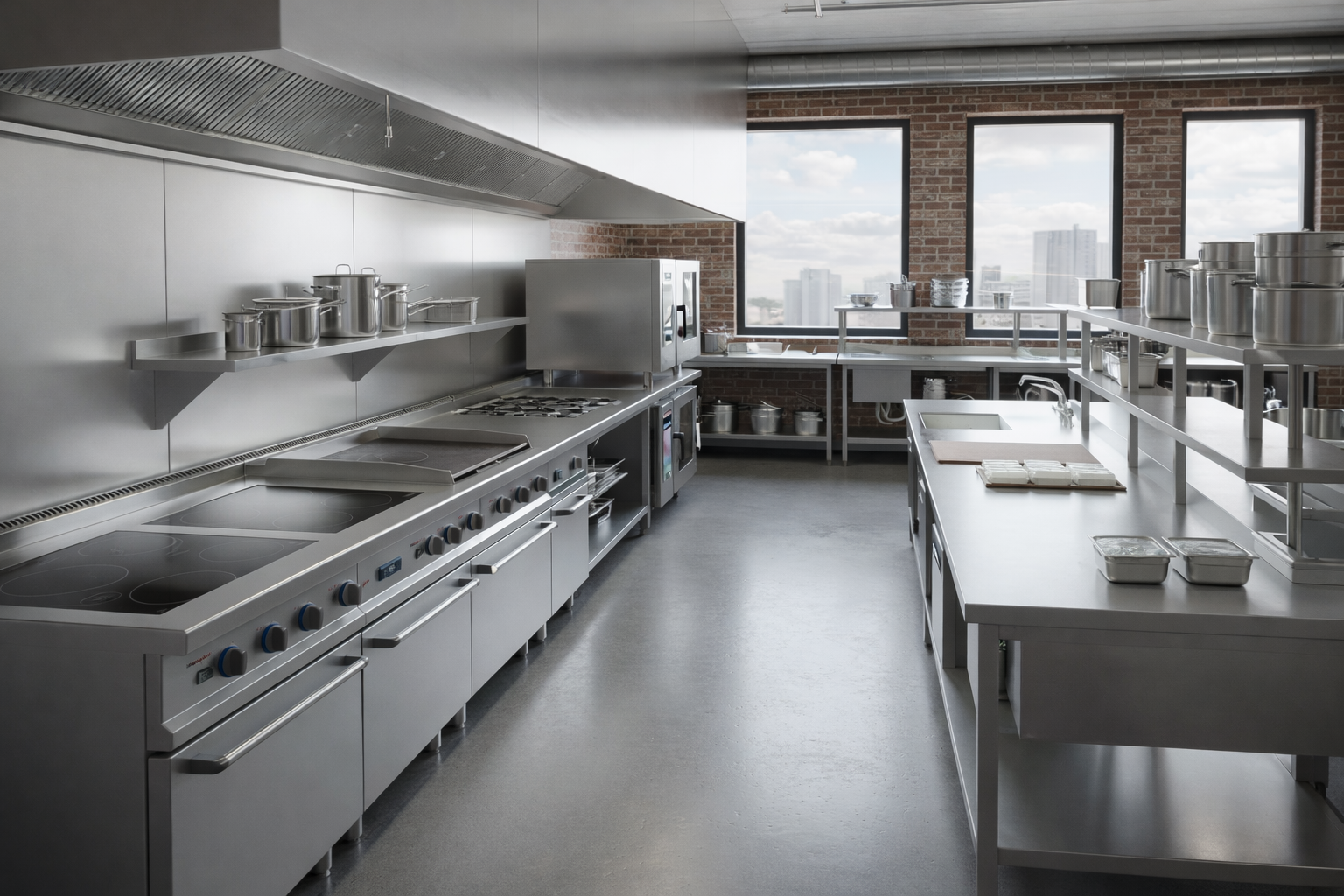
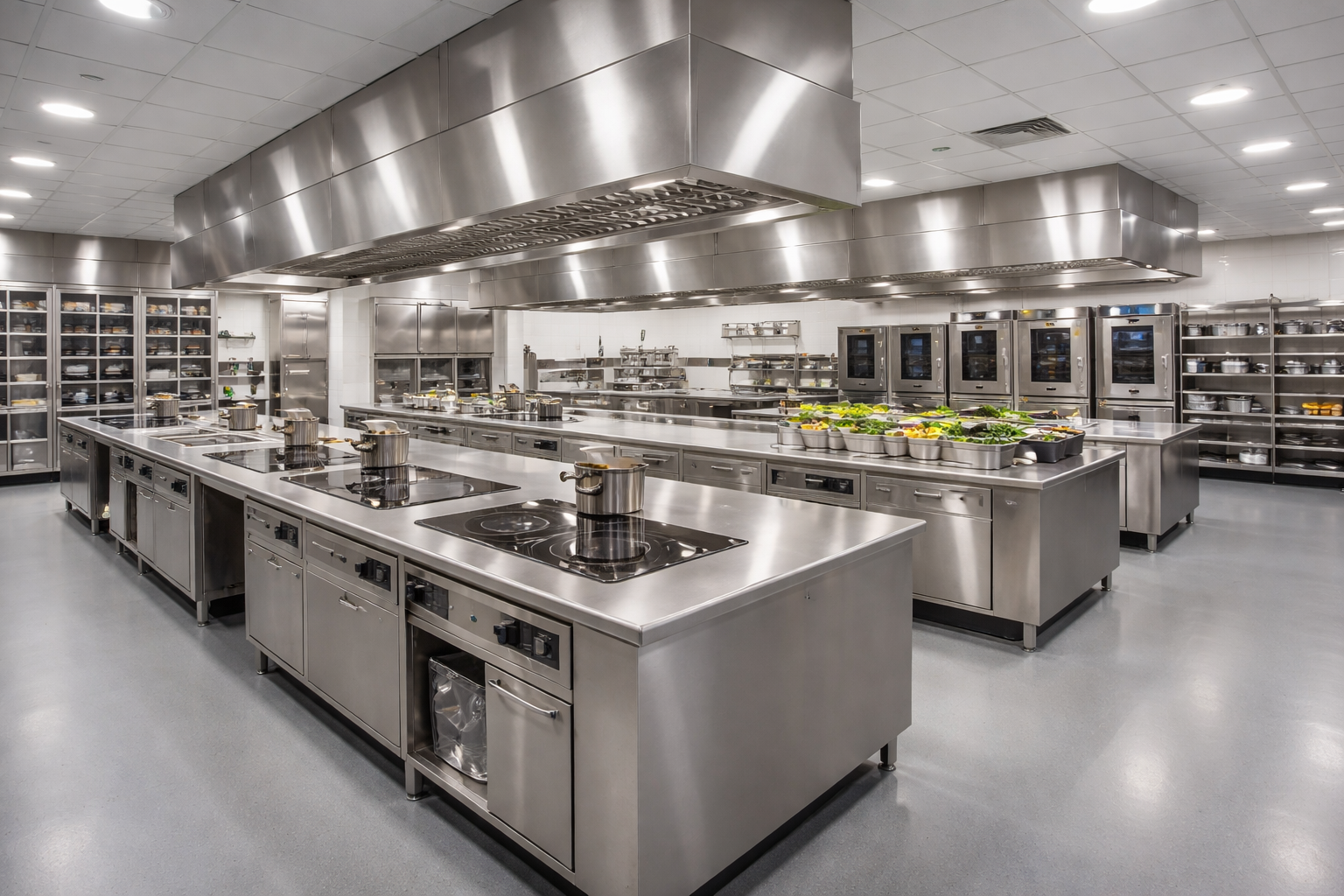
The Ultimate Guide to Planning a Successful Catering Project
Planning a catering project involves much more than selecting kitchen equipment or designing a layout. A successful catering project requires clear objectives, technical expertise, and careful coordination from concept through live operation. When planned correctly, it delivers efficiency, compliance, and long-term operational reliability.
This guide outlines the essential stages of planning a catering project and highlights what truly matters for a successful outcome.
What Is a Catering Project?
A catering project covers the full infrastructure behind food service operations. Unlike catering services, which focus on food production, a catering project addresses how food is produced, handled, and delivered within a space.
Typical elements include:
Kitchen and service area design
Equipment specification and supply
Coordination with building services
Installation, testing, and commissioning
Ongoing technical and operational support
Catering projects are used across restaurants, hotels, workplaces, educational facilities, healthcare environments, and leisure venues. Each setting has unique operational demands that must be addressed during planning.

Kitchen Design and Workflow Efficiency
Efficient workflow is critical to the success of any catering operation. A well-planned kitchen layout improves productivity, reduces staff movement, and supports consistent service delivery.
Effective kitchen design considers:
Logical zoning for preparation, cooking, and cleaning
Clear separation of clean and dirty processes
Smooth circulation for staff and deliveries
Safe handling of food, waste, and utilities
Regulatory compliance, including hygiene and fire safety standards, must be integrated into the design from the outset to avoid costly adjustments during construction.
Defining Clear Project Objectives
Every catering project should begin with a well-defined brief. Without clear objectives, design and equipment decisions are often based on assumptions rather than operational reality.
Key factors to define early include:
Expected daily and peak meal volumes
Service style and menu complexity
Speed of service requirements
Space limitations and future flexibility
Menu design directly influences kitchen layout, equipment capacity, and staffing levels. Aligning these elements early helps avoid redesigns and budget overruns later.
Equipment Selection and Specification
Equipment selection has a direct impact on performance, operating costs, and long-term reliability. Choosing the right equipment means balancing capacity, durability, and efficiency.
Key considerations include:
Output capacity aligned with service demand
Robust construction for commercial use
Energy and water efficiency
Ease of maintenance and cleaning
Incorrect specification can lead to bottlenecks, excessive energy consumption, or early equipment failure. Accurate planning ensures the kitchen performs under real operating conditions.
Installation, Testing, and Commissioning
Installation is a critical phase where planning decisions are implemented on site. Poor coordination at this stage can compromise performance and delay opening schedules.
A structured installation process should include:
Coordination with mechanical and electrical services
Accurate positioning and connection of equipment
Functional testing before handover
Commissioning allows systems to be tested under operational conditions, ensuring any issues are resolved before the venue goes live.
Ongoing Support and Maintenance
A catering project does not end at installation. Ongoing support is essential to protect performance and operational continuity.
Post-installation support may include:
Planned maintenance programmes
Technical documentation and training
Responsive support for operational issues
Proactive maintenance reduces downtime, extends equipment lifespan, and ensures continued compliance with regulations.
Why Turnkey Catering Projects Add Value
Turnkey catering projects bring all project stages under a single, accountable structure. This approach reduces complexity and improves communication throughout the project lifecycle.
Benefits include:
Clear responsibility from design to delivery
Improved cost and programme control
Reduced risk of coordination issues
By managing design, equipment supply, installation, and support together, turnkey solutions help deliver reliable and efficient catering environments.
Conclusion
Successful catering projects are built on clear objectives, functional design, accurate equipment specification, and structured delivery. When these elements are aligned, catering operations can achieve efficiency, consistency, and long-term reliability.
A carefully planned catering project supports not only opening day performance, but also sustainable operation well into the future.