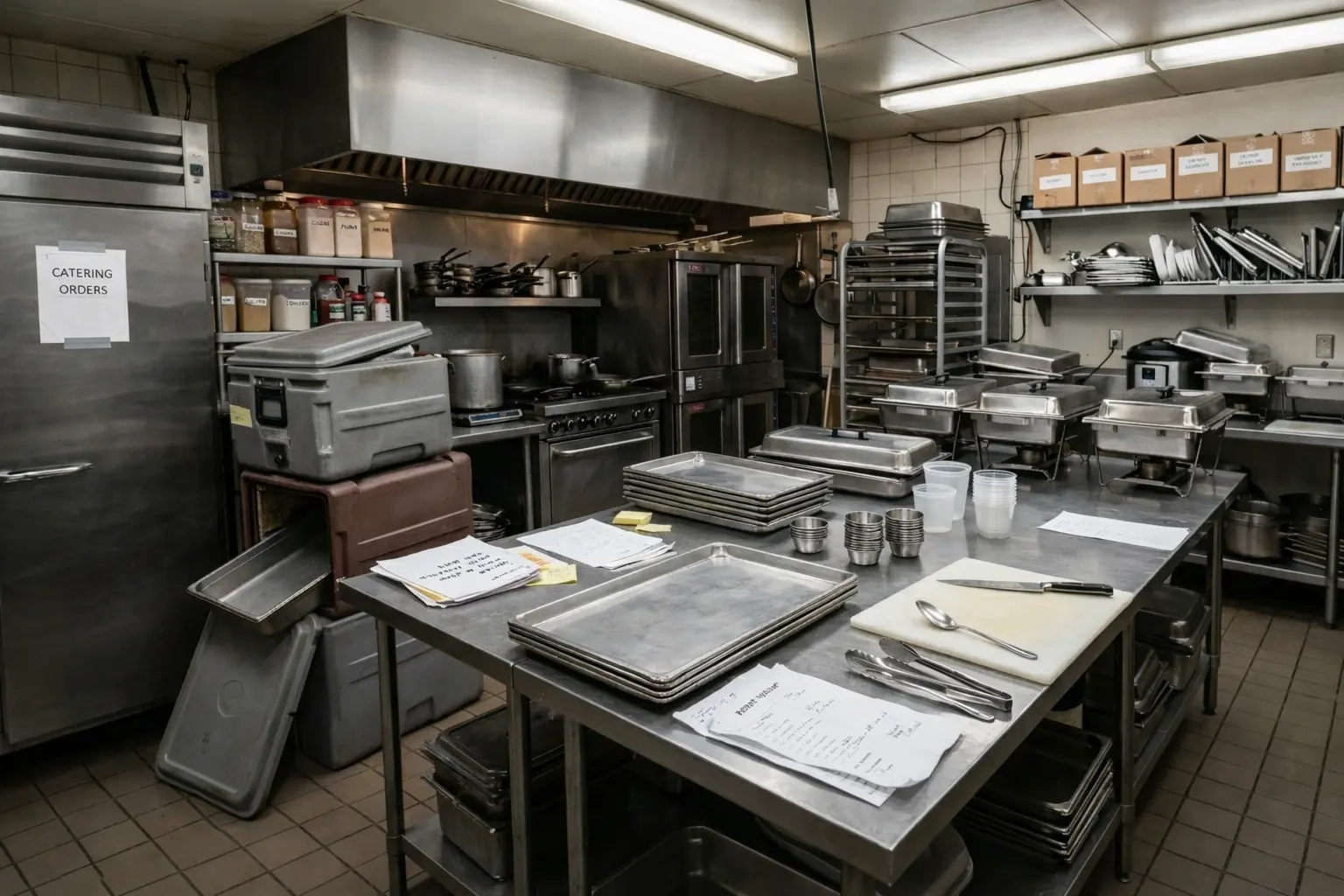
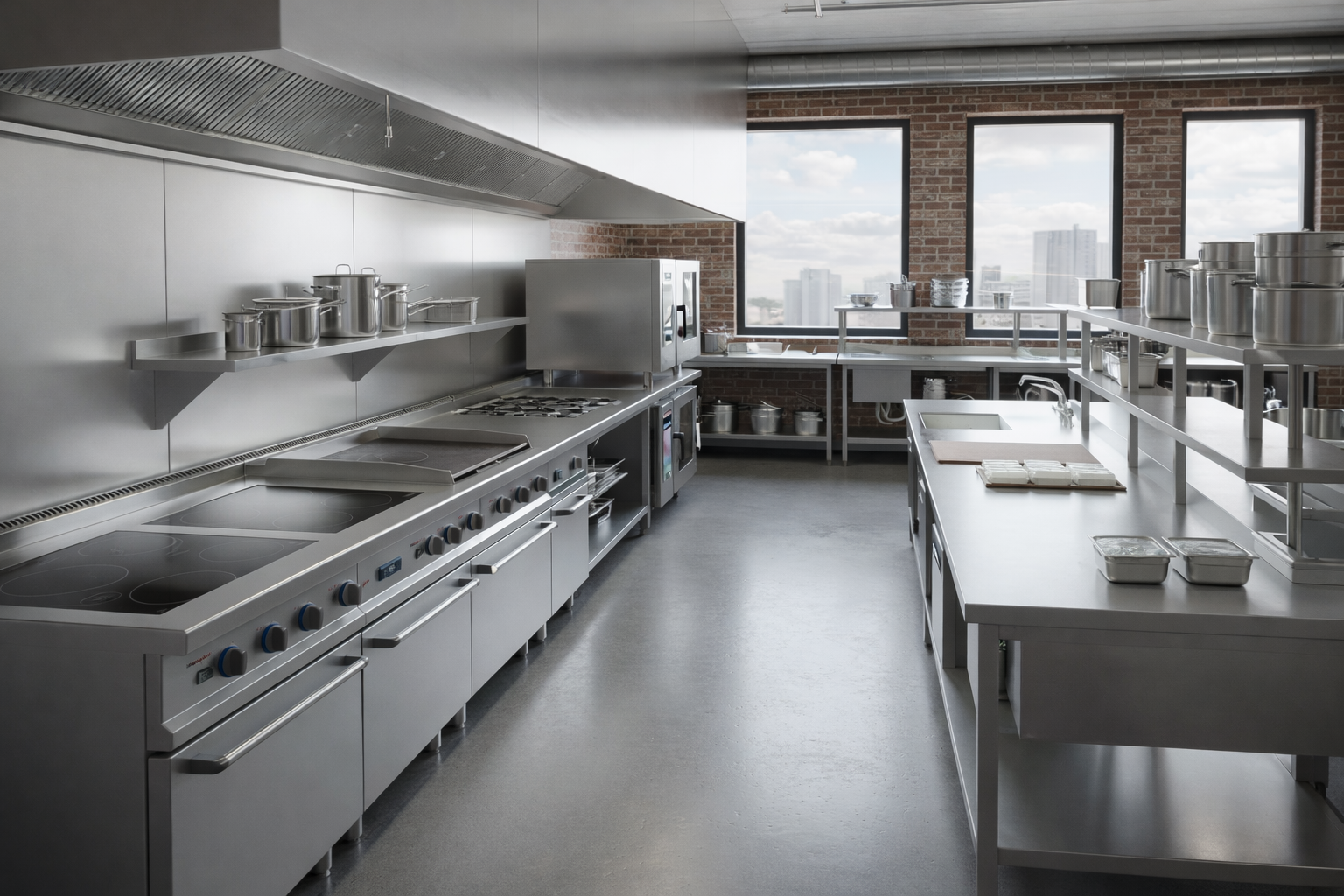
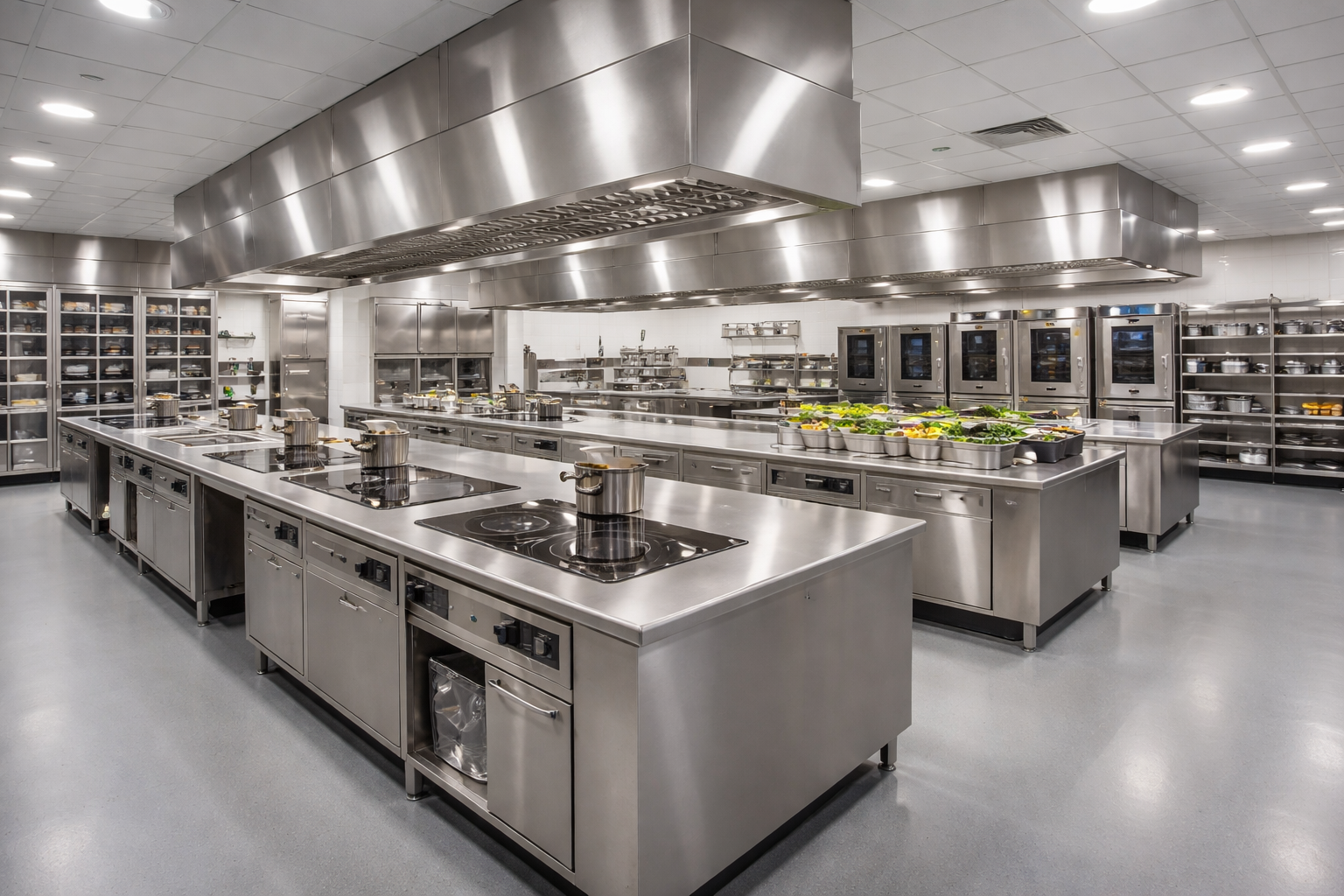
Catering projects are complex undertakings that combine operational strategy, technical coordination, regulatory compliance, and financial planning. When delivered correctly, they result in efficient, high-performing food service environments. However, when key fundamentals are overlooked, the outcome can include operational inefficiencies, budget overruns, compliance issues, and long-term performance limitations.
Understanding the most common mistakes in catering projects — and how to avoid them — is essential for clients seeking reliable, future-proof solutions.
1. Starting Without a Clear Operational Brief
One of the most frequent mistakes in catering projects is initiating the design process without a clearly defined operational strategy.
Projects often move forward based on assumptions such as estimated meal volumes without realistic peak analysis, undefined service models, or unclear expectations regarding speed of service. Without a structured operational brief, kitchen layouts and equipment specifications are based on guesswork rather than measurable requirements.
How to Avoid It
Before design begins, define:
Daily and peak service capacity
Menu structure and production style
Staffing levels and workflow expectations
Long-term scalability requirements
A clearly documented brief ensures that every technical and design decision supports actual operational needs rather than assumptions.
2. Prioritising Aesthetics Over Functionality
While visual presentation matters — particularly in hospitality environments — operational efficiency must always come first in commercial catering projects.
Common layout mistakes include:
- Excessive staff cross-traffic
- Inadequate separation between clean and dirty zones
- Poor storage positioning
- Restricted access to high-use equipment
These issues may not be obvious at handover but quickly become critical under peak service pressure.
Reviewing real-world project examples is one of the most effective ways to understand how layout decisions impact operational efficiency. You can explore completed commercial kitchen solutions within our Canmac Design Projects to see how structured planning translates into practical, high-performing catering environments.
How to Avoid It
Functional zoning and workflow efficiency must guide every layout decision. Logical positioning of preparation, cooking, plating, and wash-up areas significantly reduces unnecessary movement and improves consistency during service.
3. Incorrect Equipment Specification
Equipment selection is one of the most financially significant aspects of a catering project. Incorrect specification can lead to underperformance, excessive energy consumption, or premature equipment failure.
Typical mistakes include:
- Over-specifying equipment beyond operational need
- Underestimating peak capacity
- Selecting equipment incompatible with site utilities
- Ignoring maintenance accessibility
Selecting reliable commercial equipment partners is equally critical. Working with trusted suppliers such as Canmac Equipment ensures that equipment specification aligns with operational capacity, infrastructure compatibility, and long-term lifecycle performance.
How to Avoid It
Equipment must be specified according to real production demand, available utilities, and lifecycle cost considerations. A balanced approach prevents both bottlenecks and unnecessary capital expenditure.
4. Poor Technical Coordination Between Trades
Catering equipment depends heavily on mechanical, electrical, ventilation, and fire safety systems. When these disciplines are not coordinated effectively, technical conflicts often arise.
Common coordination failures include:
Insufficient ventilation capacity
Electrical systems unable to support equipment load
Incorrect gas or water connections
Fire suppression systems misaligned with layout
These issues frequently surface late in the project, causing delays and increased costs.
How to Avoid It
Technical coordination should be integrated from the earliest planning stages. Centralised oversight ensures that equipment specifications align with available services and that all systems operate cohesively.
5. Underestimating Installation Complexity
Installation is where strategic planning becomes physical implementation. Even well-designed projects can face challenges if installation is rushed or poorly sequenced.
Common installation mistakes include:
Incorrect equipment positioning
Inadequate service clearances
Misaligned ventilation systems
Incomplete commissioning procedures
These errors compromise safety, efficiency, and reliability.
How to Avoid It
Installation should follow a structured programme with clear trade coordination. Thorough commissioning and pre-handover testing ensure that all systems operate correctly before live service begins.
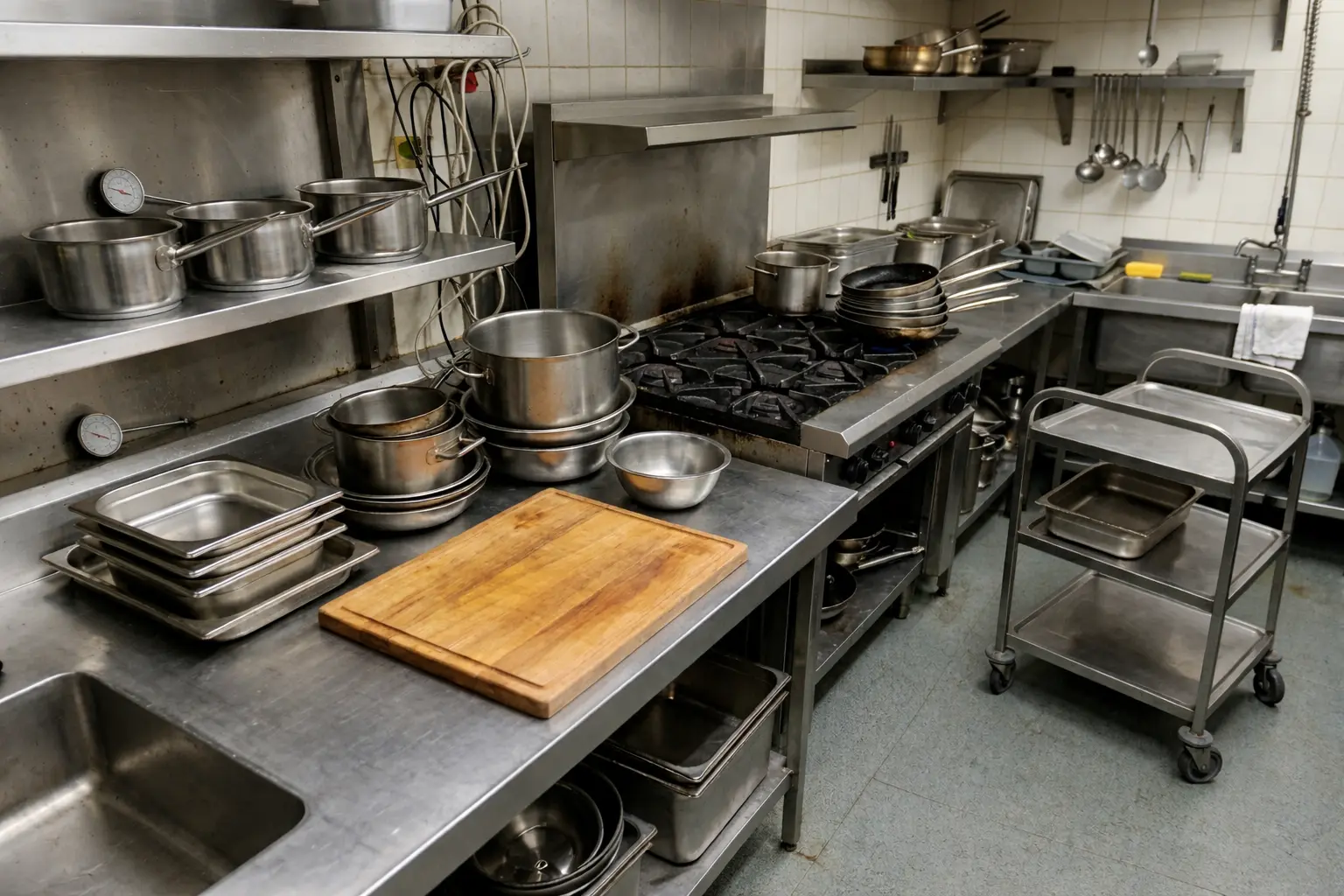
6. Ignoring Regulatory and Compliance Requirements
Compliance is fundamental in catering projects. Hygiene regulations, fire safety standards, and ventilation requirements must be addressed from the outset.
Common oversights include:
Inadequate extraction systems
Poor waste management planning
Insufficient separation of raw and cooked areas
Lack of documentation for inspection processes
Failure to integrate compliance early can lead to redesigns, approval delays, and increased operational risk.
How to Avoid It
Compliance should be embedded within the core design process rather than treated as a final-stage checklist. Early integration ensures smoother approvals and more reliable outcomes.
7. Fragmented Responsibility and Accountability
When multiple suppliers operate independently, accountability can become unclear. If problems arise, responsibility may shift between contractors, delaying resolution.
Fragmented structures often lead to:
Communication breakdowns
Inconsistent standards
Delayed decision-making
Increased overall project risk
How to Avoid It
Clearly defined responsibility and structured project management improve transparency and accelerate issue resolution. A coordinated delivery model reduces ambiguity and strengthens overall project control.
Conclusion
Catering projects require more than design expertise or equipment selection. Clear operational planning, accurate specification, technical coordination, compliance awareness, and structured delivery all play essential roles in determining long-term success.
Avoiding these common mistakes is not simply about preventing problems — it is about creating catering environments that operate efficiently, safely, and reliably from opening day and beyond.